


Eco Friendly Stays in Kerala: Where Sustainability Meets Comfort
Kerala offers a range of eco friendly stays in Kerala that blend sustainability with comfort, ensuring minimal environmental impact. Here are some standout options:
- Spice Village, Thekkady: Nestled near Periyar Wildlife Sanctuary, this CGH Earth property uses solar power, organic farming, and waste composting. Its cottages, made of local materials, offer a rustic charm with modern amenities. Guests can enjoy farm-to-table meals and guided nature walks.
- Marari Beach Resort, Mararikulam: Another CGH Earth gem, Marari emphasizes zero-waste practices, rainwater harvesting, and organic gardens. Its villas, designed in traditional Kerala style, provide a serene beachside retreat.
- Kanika Homestay, Wayanad: A family-run homestay in the Western Ghats, Kanika uses biodegradable products and solar energy. Guests can savor home-cooked meals and explore nearby forests, immersing in local culture.
- Gavi Nature Camp, Pathanamthitta: Run by the Kerala Forest Development Corporation, this camp offers tented stays in a pristine forest. It promotes eco tourism with solar lighting and minimal plastic use, perfect for nature lovers.
These eco-friendly stays in Kerala not only reduce your carbon footprint but also support local communities, aligning with the ethos of sustainable travel in Kerala. Learn more about sustainable accommodations in our Sustainable Stays Guide.
Wildlife Sanctuaries: Kerala’s Biodiversity Hotspots
Kerala’s wildlife sanctuaries are key attractions for eco tourism in Kerala, offering opportunities to explore diverse flora and fauna while supporting conservation efforts. Here are three must-visit sanctuaries:
Periyar Wildlife Sanctuary, Thekkady
Located in the Western Ghats, Periyar is a biodiversity hotspot known for its elephant and tiger populations. Spanning 925 sq km, it features evergreen forests and the scenic Periyar Lake.
- How to Reach: 4 km from Kumily Bus Stand, 110 km from Madurai Airport, and 140 km from Ernakulam Railway Station.
- Best Time to Visit: October to March for pleasant weather and wildlife sightings.
- Flora and Fauna: Look for elephants, gaurs, sambars, and over 260 bird species like the Malabar grey hornbill. The sanctuary’s flora includes teak, rosewood, and sandalwood.
Wayanad Wildlife Sanctuary, Wayanad
Part of the Nilgiri Biosphere Reserve, Wayanad spans 344 sq km and is renowned for its dense forests and tribal heritage.
- How to Reach: 15 km from Sulthan Bathery Bus Stand, 110 km from Calicut International Airport, and 60 km from Kozhikode Railway Station.
- Best Time to Visit: August to February for migratory birds and cooler temperatures.
- Flora and Fauna: Spot leopards, deer, and the rare white-bellied woodpecker amidst bamboo groves and orchids.
Thattekad Bird Sanctuary, Ernakulam
Known as the “richest bird habitat in peninsular India,” Thattekad is a haven for birdwatchers along the Periyar River.
- How to Reach: 13 km from Kothamangalam Bus Stand, 45 km from Cochin International Airport, and 60 km from Ernakulam Railway Station.
- Best Time to Visit: November to February for migratory birds like the Malabar trogon.
- Flora and Fauna: Over 280 bird species, including the Sri Lanka frogmouth, alongside teak and mahogany trees.
These sanctuaries, as highlighted by Kerala Tourism, promote conservation through regulated tourism, ensuring minimal ecological disruption.

Community-Led Tourism Initiatives: Empowering Locals
Community eco tourism in Kerala empowers local communities while preserving natural resources. These initiatives involve locals in tourism management, ensuring economic benefits reach grassroots levels.
Thenmala: India’s First Planned Eco Tourism Destination
Located in Kollam, Thenmala is a pioneer in community eco tourism in Kerala. Managed by the Thenmala Eco-Tourism Promotion Society, it involves local tribal communities in guiding, hospitality, and crafts.
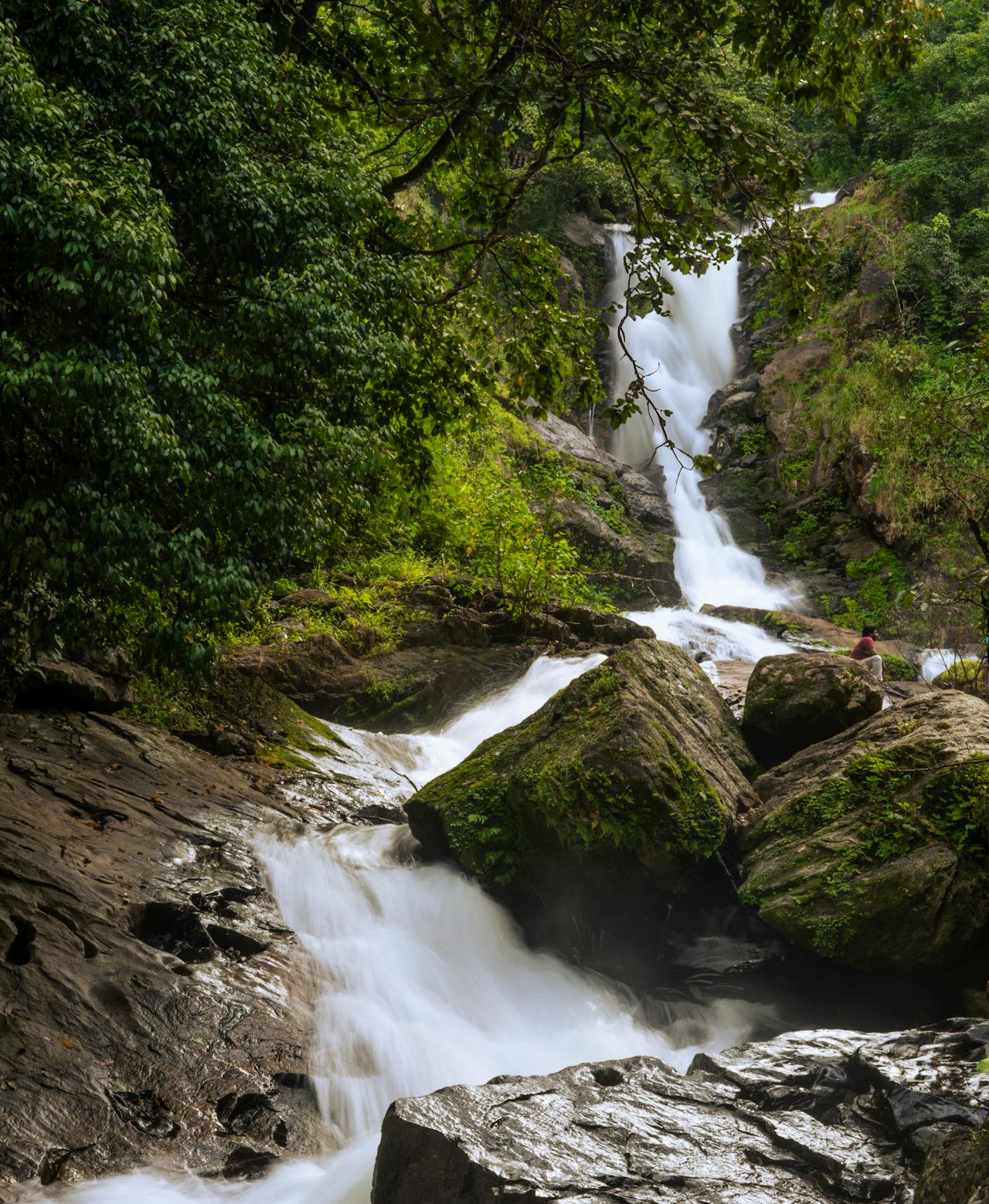
- Activities: Trekking to the Palaruvi Waterfalls, boating on Shenduruney Lake, and cultural performances by locals.
- Community Benefits: Locals earn through guiding, homestays, and selling handicrafts, preserving their traditions while promoting sustainability.
Kumarakom: Responsible Tourism in Action
Kumarakom’s Responsible Tourism Mission engages locals in agro-tourism, homestays, and organic farming tours, ensuring tourism benefits the community while protecting the backwaters.
- Activities: Village walks, birdwatching at Kumarakom Bird Sanctuary, and farm-to-table dining experiences.
- Community Benefits: Women’s self-help groups manage homestays, and farmers gain income through organic produce sales.
These initiatives highlight how community eco tourism in Kerala fosters sustainable development, as noted in studies on responsible tourism practices.
Sustainable Activities for Eco Tourism in Kerala
Eco-tourism in Kerala offers activities that connect travelers with nature while minimizing environmental impact:
- Trekking: Trails in Wayanad (Chembra Peak) and Munnar (Anamudi Peak) offer stunning views while promoting low-impact exploration.
- Birdwatching: Thattekad and Kumarakom are ideal for spotting rare birds, encouraging conservation awareness.
- Boating: Bamboo rafting in Periyar Lake and kayaking in Alleppey backwaters use non-motorized boats to reduce pollution.
- Guided Nature Walks: Local guides in Gavi and Thenmala lead walks, sharing knowledge about flora, fauna, and tribal heritage.
These activities, often led by locals, support sustainable travel in Kerala by promoting conservation and cultural exchange. Explore more adventures in our Adventure Guide.
Travel Tips for Responsible Eco Tourism in Kerala
Ensure your eco tourism in Kerala journey is responsible with these tips:
- Minimize Waste: Carry reusable water bottles and bags; dispose of waste in designated bins.
- Respect Wildlife: Avoid feeding animals or straying off marked trails in sanctuaries.
- Support Locals: Buy handicrafts, dine at local eateries, and stay in homestays to boost the local economy.
- Conserve Resources: Use water and electricity sparingly, especially in eco-resorts.
- Follow Local Customs: Dress modestly, especially in rural areas, and seek permission before photographing people.
- Travel Off-Peak: Visit between September and March for pleasant weather, avoiding peak crowds in December–January.
Check our Responsible Travel Guide for more insights.
The Bright Future of Eco Tourism in Kerala
Eco tourism in Kerala holds immense potential to balance environmental conservation with immersive travel experiences. By choosing sustainable travel options—like staying in eco-friendly resorts, exploring wildlife sanctuaries, and supporting community-led initiatives—you contribute to preserving Kerala’s natural and cultural heritage.
This approach not only enriches your journey but also ensures that future generations can experience the magic of God’s Own Country. Start planning your sustainable adventure with Keralafinder.com today!